Pop Music Concert: Designing a Professional Print Layout for Event Promotion
Pop music concerts have become a staple of the entertainment industry, drawing millions of fans worldwide. Whether it's a small local venue or a massive stadium event, the visual appeal of the concert experience is crucial in attracting attendees. One key element that often goes unnoticed but plays a significant role in event promotion is the design of promotional materials. A well-crafted print layout can make all the difference in capturing the attention of potential audiences and conveying the energy of the pop music concert.
The Role of Print Materials in Pop Music Concert Promotion
Print materials such as posters, flyers, and program books are essential tools for promoting pop music concerts. These materials serve multiple purposes, from informing the public about the event details to creating an immersive brand experience. In an era dominated by digital media, physical print still holds a unique place in the hearts of many music lovers. The tactile nature of printed materials allows for a more personal connection with the audience, especially when the design is visually striking and aligned with the concert’s theme.
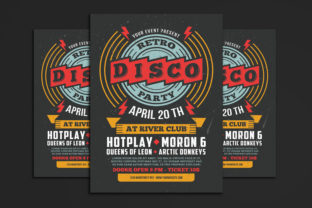
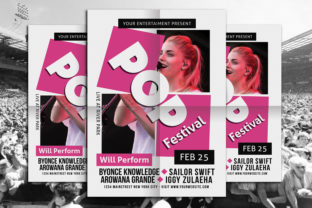
For instance, a pop music concert themed around retro 80s vibes might use bold, neon colors and vintage typography to evoke nostalgia. On the other hand, a modern pop festival could incorporate sleek, minimalist designs with vibrant gradients and dynamic layouts. The visual identity of the print materials should reflect the essence of the concert while also being eye-catching enough to stand out in a crowded environment.
Design Specifications for Effective Print Materials
To ensure that your print materials are both effective and professional, it's important to adhere to specific design specifications. These guidelines not only help in achieving a high-quality print outcome but also ensure consistency across all promotional assets.
- File Format: PSD files are ideal for print design due to their layered structure, which allows for easy editing and customization. This format is particularly useful when working with complex designs that require multiple elements to be adjusted independently.
- Software Compatibility: The design should be compatible with Adobe Photoshop CS 5 or later versions, ensuring that users can work with the file without compatibility issues.
- Dimensions: The recommended size for print materials is 8.27 x 11.69 inches, which is a standard size suitable for various types of promotional prints, including posters and flyers.
- Bleeds: Including bleeds in the design ensures that the printed edges extend beyond the trim area, preventing any unwanted white space at the edges after cutting. This is especially important for large-format prints where precision is critical.
- Resolution: A resolution of 300 dpi (dots per inch) is necessary for high-quality print output. Lower resolutions may result in pixelation or blurriness, which can detract from the overall professionalism of the design.
- Color Mode: The design should be created in CMYK color mode rather than RGB, as this is the standard for print production. CMYK ensures accurate color reproduction on physical media.
- Editable Fonts: All text elements should use free, editable fonts to allow for easy customization. This is particularly useful when making last-minute changes or adapting the design for different events.
- Layer Organization: The PSD file should be well-organized with clearly labeled layers. This makes it easier for designers and clients to navigate the file and make adjustments without disrupting the overall design.
- Readme File: Including a readme file with information about the fonts used, color codes, and any additional notes helps streamline the design process and ensures that everyone involved has access to the necessary details.
Advantages of Using a Well-Structured Design File
A well-structured design file offers numerous advantages, particularly when working with a team or when planning for future events. The ability to easily edit and customize the design means that you can quickly adapt the layout to fit different themes or promotional needs. For example, if a pop music concert is transitioning from a summer festival to a winter event, the design can be updated with seasonal elements without having to start from scratch.
Moreover, the inclusion of editable fonts and a clear layer structure makes it easier for non-designers to make minor adjustments, such as changing the event date or updating the artist name. This flexibility is especially valuable for event organizers who may not have a dedicated design team on hand.
From a professional standpoint, a well-organized design file also demonstrates attention to detail and a commitment to quality. It reflects a level of expertise that can be appealing to both sponsors and attendees, reinforcing the credibility of the event itself.
Real-World Applications and Use Cases
The design specifications outlined above are not just theoretical—they have real-world applications across a variety of scenarios. For instance, a local pop music concert might use these guidelines to create a series of promotional materials that include posters, social media graphics, and even merchandise like t-shirts and stickers.
In larger-scale events, such as international pop festivals, the same principles apply but on a more extensive scale. The design team may need to produce hundreds of posters, banners, and signage, each requiring consistent branding and high-quality visuals. The use of a well-structured PSD file ensures that all these elements are produced efficiently and consistently.
Additionally, the design can be adapted for different platforms. While the primary focus is on print, the same layout can be converted into digital formats for online marketing, social media, and email campaigns. This versatility makes the design file a valuable asset for any event organizer looking to maximize their reach.
Considerations for Designing for Print
While designing for print can be rewarding, there are several considerations to keep in mind to ensure the final product meets the desired standards. One of the most important factors is understanding the printing process. Unlike digital displays, print involves physical materials, which can affect how colors appear and how the design is perceived.
Another consideration is the choice of paper stock. Different types of paper can significantly impact the overall look and feel of the print. For example, glossy paper provides a vibrant finish, while matte paper offers a more subdued, sophisticated appearance. Choosing the right paper stock can enhance the visual appeal of the design and contribute to the overall experience of the pop music concert.
Finally, it's important to test the design before finalizing it. Printing a sample copy allows you to check for any issues such as color accuracy, alignment, and clarity. This step is crucial in ensuring that the final print meets the highest standards and effectively represents the event.
Conclusion
Designing effective print materials for a pop music concert requires careful planning, attention to detail, and a deep understanding of both the event and the audience. By following the specified design guidelines, including the use of PSD files, appropriate dimensions, and high-resolution settings, you can create promotional materials that are both visually appealing and professionally executed.
Whether you're organizing a small local event or a large-scale festival, the principles discussed here provide a solid foundation for creating impactful print designs. With the right tools, knowledge, and approach, you can elevate the promotional efforts of your pop music concert and leave a lasting impression on your audience.