The Rise of Hockey Game Flyer Design: A Modern Approach to Event Promotion
In today’s fast-paced and visually driven world, the way we promote events has evolved significantly. One of the most effective tools in this evolution is the Hockey Game Flyer. Designed for both print and digital use, these flyers are essential for engaging audiences, driving attendance, and creating a strong visual identity for hockey events. But what makes a Hockey Game Flyer truly effective? The answer lies in its design quality, technical specifications, and adaptability to modern creative workflows.
Understanding the Hockey Game Flyer
A Hockey Game Flyer is more than just a piece of paper with event details—it's a strategic marketing tool. It combines visual appeal with clear communication to capture attention and convey key information quickly. Whether it's for a local youth league game or a professional match, the flyer must be eye-catching, informative, and easy to read.
Today’s Hockey Game Flyer is often created using Adobe Photoshop (PSD) files, which offer a high level of customization and flexibility. These files are designed with specific dimensions, resolution, and color modes to ensure they meet the highest standards for print production. For instance, a typical Hockey Game Flyer might be created at 8.27x11.69 inches, with 300 dpi resolution and in CMYK color mode, making it ready for professional printing.
Why Choose PSD Files for Your Hockey Game Flyer?
- Editability: PSD files allow designers to work with layers, making it easy to adjust text, images, and colors without affecting other elements.
- Professional Quality: With precise dimensions and resolution settings, these files are optimized for print, ensuring sharp visuals and accurate color reproduction.
- Customization: Using free fonts and editable text, creators can easily update event details, logos, or branding elements as needed.
- Organization: Well-structured layers help streamline the design process, making it easier to manage complex layouts and maintain consistency across multiple flyers.
Aligning with Industry Trends and Consumer Expectations
The growing demand for high-quality, customizable promotional materials reflects broader trends in the creative and marketing industries. Consumers today expect personalized and visually appealing content that resonates with their preferences. This shift has made Hockey Game Flyer design an integral part of event promotion strategies.
Moreover, the rise of digital platforms and social media has increased the need for versatile design assets. While many Hockey Game Flyer designs are used for physical distribution, they are also frequently adapted for online use—such as social media posts, email campaigns, and website banners. This dual-purpose approach ensures that your design remains relevant across multiple channels.
How Changing Workflows Impact Design Needs
As businesses and creators move toward more agile and collaborative workflows, the ability to customize and iterate on designs becomes crucial. Hockey Game Flyer PSD files support this by offering a structured yet flexible framework that allows for quick adjustments and seamless collaboration between designers, marketers, and event organizers.
For example, a freelance designer working with a local hockey team may need to create several versions of a flyer for different games, each with unique branding elements. With a well-organized PSD file, this process becomes more efficient and less error-prone. The use of editable fonts and layer groups ensures that even minor changes can be made without compromising the overall design integrity.
Practical Applications and Real-World Examples
Let’s consider a real-world scenario: a small hockey club planning a weekend tournament. They need to create a series of flyers that will be distributed at local stores, posted online, and printed for on-site use. By using a professionally designed Hockey Game Flyer in PSD format, the club can ensure that all materials are consistent in style and message.
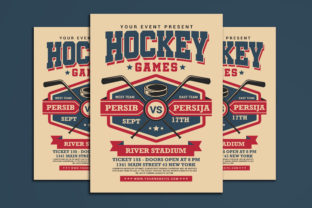
Here’s how the design might look:
- Header: A bold, attention-grabbing title featuring the team logo and event name.
- Visual Elements: High-quality images of players or the venue to create an engaging first impression.
- Text Content: Clear and concise details such as date, time, location, and ticket information.
- Call to Action: A prominent “Buy Tickets” button or QR code linking to an online registration page.
This kind of structure not only meets the functional needs of the flyer but also aligns with current design trends that prioritize user experience and visual storytelling.
Future-Proofing Your Design with Technology
As technology continues to advance, the role of design in event promotion will only grow. Tools like Adobe Photoshop and other design software are constantly evolving, offering new features that enhance creativity and efficiency. For instance, AI-driven design assistants are now helping creators generate layout ideas, optimize color schemes, and even suggest font pairings—all of which can be applied to Hockey Game Flyer design.
However, while technology enables greater innovation, it also places higher expectations on designers to deliver polished, professional results. This is where the importance of a well-structured PSD file comes into play. By using industry-standard dimensions, resolution, and color modes, you ensure that your Hockey Game Flyer is not only visually appealing but also technically sound for any print or digital medium.
Conclusion: The Value of a Thoughtfully Designed Hockey Game Flyer
In conclusion, the Hockey Game Flyer is more than a simple promotional tool—it's a reflection of your brand, your event, and your audience. With the right design, it can become a powerful asset in your marketing strategy. By leveraging professional PSD files with precise specifications, you can create flyers that are not only visually striking but also adaptable, scalable, and future-ready.
Whether you're a seasoned marketer, a creative entrepreneur, or a passionate hockey enthusiast, investing in a high-quality Hockey Game Flyer is a step toward more effective event promotion. As the creative and business landscapes continue to evolve, so too must our approach to design—one that values both aesthetics and functionality in equal measure.