Golf Tournament: A Modern Approach to Design and Print Readiness
In today’s fast-paced digital landscape, the demand for high-quality, visually appealing print materials has never been higher. Whether you're organizing a local golf event or planning a large-scale tournament, having professional-grade design assets is essential. Enter Golf Tournament – a concept that extends beyond the sport itself to include the visual and practical aspects of event branding. With the rise of digital marketing and event-based engagement, the need for customizable, print-ready templates has become a cornerstone of modern creative workflows.
The Role of Golf Tournament in Contemporary Design
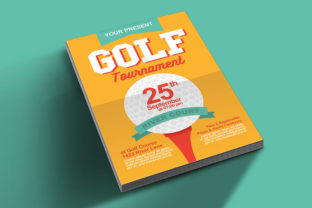
A Golf Tournament isn’t just about the game; it's also about creating an immersive experience for participants, sponsors, and attendees. From event signage to promotional materials, every visual element plays a role in shaping the overall brand identity. This is where design specifications come into play. High-quality, well-structured PSD files ensure that your design can be easily adapted, printed, and shared across various platforms without losing clarity or impact.
Consider the case of a mid-sized golf club looking to launch its annual tournament. The organizers needed a consistent visual language across all promotional materials, from flyers to banners. By using a professionally designed PSD file with clear layers and editable text, they were able to quickly update colors, fonts, and content while maintaining a cohesive look. This not only saved time but also enhanced the professionalism of their event branding.
Design Specifications That Matter
When it comes to creating print-ready materials for a Golf Tournament, attention to detail is key. One of the most important specifications is the dimensions of the design file. For example, a common size used in event printing is 8.27x11.69 inches. This size is ideal for brochures, posters, and signage, as it allows for ample space to display information without being too large for standard printers or too small for visibility.
Alongside dimensions, the resolution of the design file is equally critical. A resolution of 300 dpi ensures that the final print output is crisp and clear, even when viewed up close. This is particularly important for materials like banners or signage, where fine details can make a significant difference in the overall impression.
Another crucial aspect is the use of CMYK color mode. Unlike RGB, which is used for digital displays, CMYK is the standard for print production. Using CMYK ensures that the colors you see on screen will match what appears in print, avoiding any unexpected shifts in tone or saturation. This is especially important for branding elements like logos, color schemes, and typography.
Additionally, the bleed area in a design file allows for a seamless transition between the main image and the background. When designing for print, it's essential to include bleed so that any slight misalignment during the printing process doesn't result in visible white edges. This is particularly relevant for materials like posters or invitations that require full-page coverage.
Editable Fonts and Text Layers
One of the most valuable features of a well-designed PSD file is the ability to edit fonts and text easily. In the context of a Golf Tournament, this means that organizers can quickly update event details, sponsor names, or promotional messages without needing to rebuild the entire design from scratch.
Using Font Free fonts ensures that the text remains editable and compatible with different software applications. This is especially useful for designers who may need to collaborate with others or adapt the design for multiple uses. Additionally, having editable text layers makes it easier to adjust spacing, alignment, and formatting, allowing for greater flexibility in the design process.
For instance, if a tournament organizer wants to change the event date or location, they can simply edit the corresponding text layer within the PSD file. This level of customization is invaluable for maintaining consistency across all printed materials while keeping the design process efficient and streamlined.
Organized Layers for Easy Customization
A well-organized layer structure is essential for both designers and non-designers alike. When working with a Golf Tournament design, it's important that each element—such as the background, logo, text, and graphics—is clearly labeled and separated. This makes it easier to navigate the file, make adjustments, and maintain the integrity of the design.
For example, a designer might have separate layers for the header, body text, and footer, ensuring that changes to one section don’t inadvertently affect others. This level of organization also helps prevent confusion when multiple people are involved in the design process, whether they’re collaborating remotely or working in person.
Moreover, having a readme file that lists the fonts used and other specifications provides additional value. It serves as a quick reference guide, helping users understand how to modify the design effectively. This is particularly beneficial for those who may not have extensive design experience but still need to customize the template for their specific needs.
Trends Shaping the Future of Golf Tournament Design
The world of event design is constantly evolving, driven by changing user expectations and technological advancements. One of the most significant trends is the increasing demand for customizable and scalable designs. Attendees and sponsors now expect a level of personalization that goes beyond generic templates. They want to see their brand reflected in every detail, from the event logo to the color scheme.
Another trend is the growing importance of user-friendly design tools. As more people become involved in event planning, there's a need for intuitive design solutions that don’t require advanced technical skills. This has led to the development of user-friendly design platforms and templates that allow even non-designers to create professional-looking materials with ease.
Additionally, there's a shift towards digital-first approaches in event marketing. While print materials remain essential, many organizers are now incorporating digital elements such as QR codes, social media integration, and interactive content. This hybrid approach ensures that the Golf Tournament experience is both engaging and accessible, catering to a wider audience across multiple platforms.
Practical Implications for Designers and Event Planners
For designers, the key takeaway is the importance of creating flexible, easy-to-edit templates that meet the specific needs of clients. A well-structured PSD file with clear layers, editable text, and CMYK-ready colors can significantly reduce the time and effort required to produce high-quality print materials.
For event planners, the focus should be on selecting templates that offer both aesthetic appeal and functional versatility. A design that is easy to customize and ready for print can help streamline the event planning process, ensuring that all materials are consistent, professional, and effective.
Ultimately, the success of a Golf Tournament depends not only on the quality of the event itself but also on the strength of its visual identity. By investing in well-designed, print-ready templates, organizers can create a lasting impression that resonates with participants, sponsors, and attendees alike.