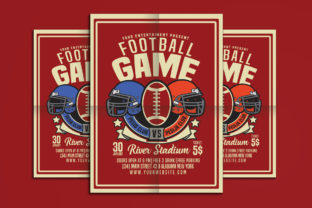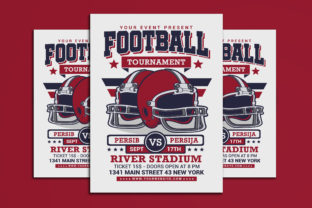
American Football Tournament: Design and Production Guide
The American Football Tournament is a popular event that brings together teams from across the country to compete in a high-energy, strategic sport. Whether you're an avid fan or a first-time attendee, understanding how to design and produce materials for such an event can enhance your experience and help you connect with others who share your passion.
What Is an American Football Tournament?
An American Football Tournament is a competitive event where multiple teams play against each other in a structured format. These tournaments can range from local community games to national championships, often featuring professional athletes and amateur players alike. The objective of the game is to score more points than the opposing team by advancing the ball into the opponent's end zone through touchdowns, field goals, or extra point kicks.
These events are not only about physical competition but also about teamwork, strategy, and sportsmanship. They provide opportunities for fans to engage with the sport, support their favorite teams, and celebrate the spirit of American football.
Why Designing Tournament Materials Matters
Designing promotional and informational materials for an American Football Tournament is essential for several reasons:
- Branding: Well-designed materials help establish a consistent brand identity for the tournament, making it more recognizable to attendees and sponsors.
- Communication: Clear visuals and text ensure that important information—such as schedules, rules, and team details—is easily understood.
- Engagement: Visually appealing designs can attract more spectators and increase overall participation in the event.
- Professionalism: High-quality materials reflect the professionalism of the tournament and can encourage greater media coverage and sponsorship interest.
Key Specifications for Tournament Design Files
When creating design files for an American Football Tournament, it's important to adhere to specific technical specifications to ensure the final product is print-ready and visually effective. Here are the key requirements:
Dimensions: 8.27x11.69 inches (with Bleeds)
The standard size for tournament posters, flyers, and banners is 8.27x11.69 inches, which is the same as the US Letter size. However, when preparing for print, it's crucial to include bleeds on all sides. Bleeds allow for slight misalignment during printing and ensure that the design extends to the edges of the final product without visible white borders.
Resolution: 300 DPI
All images and graphics should be set at a resolution of 300 dots per inch (dpi) to ensure crisp, clear prints. Lower resolutions may result in pixelation or blurry images, especially when printed at larger sizes.
Color Mode: CMYK
For print projects, it's essential to use the CMYK color mode instead of RGB. CMYK is the standard for offset printing and ensures accurate color reproduction. If you're using digital tools like Adobe Photoshop or Illustrator, make sure to convert your colors to CMYK before exporting your file.
Editable Fonts and Text
Using editable fonts ensures that your design remains flexible and easy to update. All text elements should be in font-free formats, meaning they should be in a font that is widely available and free to use. This allows for easy modifications without the risk of missing fonts during the printing process.
Layer Organization and Readme File
A well-organized file structure makes it easier for designers, printers, and stakeholders to navigate and modify the design. Each element—such as background, text, and graphics—should be placed on separate layers. Additionally, including a readme file that lists the fonts used, color codes, and any special instructions helps streamline the production process.
How to Create Effective Tournament Design Files
Creating an effective design for an American Football Tournament involves a combination of creativity, technical knowledge, and attention to detail. Here are some best practices to follow:
1. Start with a Clear Purpose
Before designing, define the purpose of your material. Are you creating a poster for a local tournament or a banner for a national championship? Understanding your audience and the context of the event will guide your design choices.
2. Use High-Quality Visuals
Incorporate high-resolution images of players, logos, and stadium backgrounds to create a visually engaging design. Avoid low-quality or pixelated images, as they can detract from the overall professionalism of the material.
3. Choose a Cohesive Color Scheme
Select a color palette that aligns with the tournament's branding or theme. For example, if the tournament is associated with a particular team, use their primary colors. A cohesive color scheme helps reinforce brand identity and makes the design more visually appealing.
4. Keep the Layout Simple and Readable
A clean, uncluttered layout ensures that your message is communicated effectively. Use ample white space, legible fonts, and clear hierarchy to guide the viewer's eye through the design. Avoid overcrowding the page with too much text or too many visual elements.
5. Test Your Design for Print
Before finalizing your design, test it for print by printing a sample or using a print preview feature in your design software. This helps identify any issues with resolution, color accuracy, or alignment that could affect the final output.
Common Misconceptions About Tournament Design
There are several common misconceptions about designing materials for an American Football Tournament. One of the most prevalent is the belief that high-quality designs are always expensive. While premium materials can cost more, there are many affordable options available that still deliver excellent results.
Another misconception is that complex designs are always better. In reality, simplicity often leads to greater impact. A well-designed, straightforward layout can be more effective than an overly complicated one, especially when communicating key information quickly.
Conclusion
Designing materials for an American Football Tournament requires a balance of creativity, technical skill, and attention to detail. By following the specifications outlined in this guide and adhering to best practices, you can create high-quality, professional-looking materials that enhance the overall experience of the event.
Whether you're a designer, a tournament organizer, or a passionate fan, understanding the importance of good design can help you bring more visibility, engagement, and excitement to your American Football Tournament. With the right tools, knowledge, and approach, you can create materials that not only look great but also serve their intended purpose effectively.