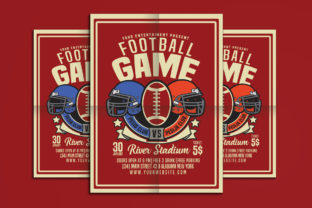
Mastering the American Football Game Flyer: A Guide to Avoiding Common Pitfalls
The American Football Game Flyer is a powerful tool for anyone involved in sports marketing, event planning, or fan engagement. Whether you're organizing a local game, promoting a season ticket sale, or creating promotional materials for a stadium, this flyer can be the key to capturing attention and driving participation. However, without proper understanding and execution, even the most well-designed flyer can fall short of its potential.
What Is an American Football Game Flyer?
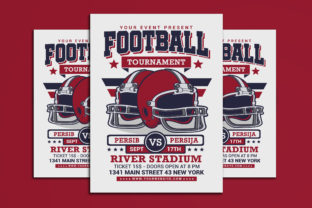
An American Football Game Flyer is a printed or digital document that provides essential information about an upcoming game. It typically includes details such as the date, time, location, team names, ticket prices, and special promotions. These flyers are often distributed in high-traffic areas like stadiums, community centers, and local businesses. Their effectiveness depends on clarity, design, and the ability to convey excitement and urgency.
Common Mistakes When Using an American Football Game Flyer
Many people overlook important aspects when designing or distributing their American Football Game Flyer. One common mistake is not considering the target audience. If your flyer is too complex or uses jargon that isn't understood by casual fans, it may fail to resonate with the right people.
Another frequent error is poor layout. A cluttered design can make it difficult for readers to quickly find the information they need. For instance, if the game date is buried beneath multiple layers of text and images, it might be overlooked entirely.
Additionally, some users neglect to include essential contact information. Without a phone number, website, or social media links, potential attendees may have no way to get more details or purchase tickets.
Why These Mistakes Matter
Making these mistakes can lead to wasted effort and missed opportunities. A poorly designed flyer may not only fail to attract attendees but also damage the reputation of the event or organization. On the other hand, a well-crafted flyer can generate buzz, increase ticket sales, and build brand loyalty among fans.
How to Avoid Common Pitfalls
To create an effective American Football Game Flyer, start by defining your goals. Are you trying to promote a specific game, sell tickets, or raise awareness about a team? Once you know your objective, you can tailor the content and design accordingly.
Next, focus on simplicity and readability. Use clear headings, bullet points, and ample white space to guide the reader’s eye. Ensure that the most critical information—such as the game date and time—is prominently displayed.
Also, consider the visual appeal. A visually engaging flyer can capture attention faster than one that looks generic. Use high-quality images, consistent color schemes, and professional fonts to enhance the overall look and feel.
Choosing the Right Design Tools
When selecting a design tool for your American Football Game Flyer, it's important to choose one that offers flexibility and ease of use. Many designers prefer using Adobe Illustrator or Photoshop for print projects, but there are also excellent free alternatives like Canva or Inkscape.
If you're looking for a ready-to-use template, consider options like PSD Files CS 5. This resource provides professionally designed templates that are easy to customize. The dimensions are set at 8.27x11.69 inches with bleeds, making them ideal for print. The resolution is 300 dpi, which ensures high-quality output, and all text is editable using free fonts.
One of the biggest advantages of using PSD Files CS 5 is that it allows for easy color changes. You can experiment with different color schemes to match your branding or event theme. Additionally, the layers are well-organized, so you can easily locate and edit specific elements like text, images, or backgrounds.
What to Check Before Finalizing Your Flyer
Before printing or distributing your American Football Game Flyer, take a few moments to review it carefully. Check that all text is legible and that there are no typos or formatting errors. Ensure that the colors are consistent and that the design aligns with your brand identity.
Also, verify that the file is CMYK-ready for print. Using RGB colors can result in unexpected color shifts when printed, which can affect the overall appearance of your flyer. Finally, test the flyer on different devices or print samples to ensure that it looks great in both digital and physical formats.
Realistic Examples and Better Approaches
Let’s say you’re promoting a weekend game between two local teams. Instead of listing all the details in a long paragraph, break them into short, scannable sections. Use bold headings for each category, such as "Game Details," "Tickets & Pricing," and "Location & Directions."
Another example is using a vibrant color scheme that reflects the energy of the sport. If your team has a red and black logo, incorporate those colors into the flyer to create a cohesive and exciting visual experience.
By focusing on clarity, creativity, and consistency, you can create an American Football Game Flyer that not only informs but also inspires action.