Architecture Magazine: A Minimalist Approach to Design and Creativity
Architecture Magazine is more than just a publication—it’s a gateway to understanding the art, science, and culture of design. Whether you're an aspiring architect, a design enthusiast, or someone simply curious about how spaces shape our lives, this magazine offers insights that are both informative and inspiring. Its minimalist aesthetic and modern layout make it a favorite among professionals and hobbyists alike. But like any creative tool, there are common pitfalls to avoid when working with Architecture Magazine, especially when using its minimal and stylish template for brochures, catalogs, or interior design projects.
Understanding the Minimalist Appeal of Architecture Magazine
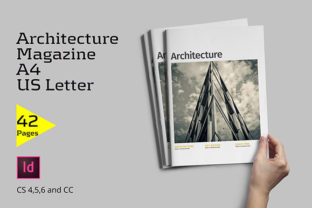
The minimalism of Architecture Magazine is not just a design choice—it's a philosophy. By stripping away unnecessary elements, the magazine focuses on clarity, function, and visual impact. This approach is particularly effective in print media, where simplicity can enhance readability and engagement. The clean lines, ample white space, and thoughtful typography create a sense of order and sophistication that appeals to a wide audience.
For designers and content creators, the minimal style of Architecture Magazine offers a versatile foundation. It allows for easy customization and adaptation, making it ideal for use in various formats such as brochures, catalogs, and even digital presentations. The template’s flexibility ensures that users can tailor it to their specific needs without compromising the integrity of the design.
Common Mistakes When Using Architecture Magazine Templates
While the minimal design of Architecture Magazine is one of its greatest strengths, it also presents opportunities for missteps. One of the most frequent mistakes is overcomplicating the layout. Because the template emphasizes simplicity, adding too many elements—such as excessive text, complex graphics, or cluttered page numbers—can undermine its purpose and reduce its effectiveness.
Another common error is ignoring the importance of bleed and print-ready settings. Architecture Magazine templates are designed for professional printing, which means they require careful attention to detail. Failing to set up bleed areas correctly can result in unwanted white borders or incomplete images at the edges of the final product. Similarly, not adhering to CMYK color mode and 300 DPI resolution standards can lead to poor print quality and unsatisfactory results.
Some users also overlook the significance of layer organization and style consistency. The template includes layers and styles to streamline the design process, but neglecting these features can make the project more difficult to manage and less efficient to complete. Properly organizing layers ensures that each element is easily editable and maintains a cohesive visual identity throughout the publication.
How These Mistakes Affect Your Project
Misusing the Architecture Magazine template can have several negative consequences. For instance, an overly complicated layout may confuse readers and dilute the message. In contrast, a well-structured, minimalist design can guide the reader’s eye through the content more effectively, enhancing both readability and retention.
Ignoring print-ready settings can lead to costly reprints or wasted materials. If the final output doesn’t meet professional standards, it may reflect poorly on your brand or business. Additionally, inconsistent styling can create a disjointed look, which may diminish the perceived value of your work and reduce overall satisfaction with the final product.
Practical Tips for Avoiding Common Pitfalls
To ensure your use of Architecture Magazine is both effective and efficient, consider the following best practices:
- Keep it simple: Embrace the minimalist ethos by focusing on essential content and visuals. Use whitespace strategically to create balance and improve readability.
- Follow print guidelines: Always check that your file meets bleed, trim, and resolution requirements. Use CMYK colors and maintain a 300 DPI resolution for optimal print quality.
- Organize your layers: Take advantage of the template’s built-in layers and styles to keep your project structured and manageable. This will save time and reduce errors during the editing process.
- Test before finalizing: Preview your design in different formats and sizes to ensure it looks consistent across all platforms. This step helps identify potential issues before printing or publishing.
By following these tips, you can maximize the benefits of the Architecture Magazine template while avoiding common mistakes that could compromise the final outcome.
What to Check Before Finalizing Your Project
Before sending your design to print or publishing it online, take a moment to review the following key aspects:
- File format and compatibility: Ensure your file is in the correct format (e.g., .indd, .idml, or PDF) and compatible with the intended software or platform.
- Page numbering and layout: Verify that page numbers are automatically generated and that the layout remains consistent across all pages.
- Fonts and images: Confirm that all fonts are embedded or licensed for use, and that images are high-quality and properly sized.
- Color and resolution: Double-check that colors are in CMYK mode and that the resolution is set to 300 DPI to ensure professional print results.
These checks help prevent last-minute issues and ensure that your final product meets both aesthetic and functional standards.
Conclusion
Architecture Magazine is a powerful resource for anyone interested in design, creativity, and visual storytelling. Its minimalist approach and modern layout make it a versatile tool for a wide range of applications. However, to fully leverage its potential, it’s important to understand how to use it effectively and avoid common mistakes. By focusing on simplicity, adhering to print standards, and organizing your workflow efficiently, you can create stunning, professional-quality publications that resonate with your audience and reflect your brand’s values.