Designing a Cinco De Mayo Flyer: A Comprehensive Guide to Creating Professional Print Materials
Cinco De Mayo is more than just a celebration of Mexican culture—it's an opportunity for businesses, event organizers, and creative professionals to connect with audiences through visually engaging materials. One of the most effective ways to promote events, festivals, or cultural activities is by creating a well-designed flyer. In this guide, we'll explore how to design a Cinco De Mayo Flyer using professional tools and specifications that ensure high-quality print results.
Understanding the Cinco De Mayo Flyer
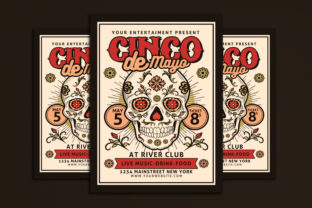
A Cinco De Mayo Flyer is a promotional material used to announce events, parties, or cultural celebrations on May 5th. These flyers are often distributed in public spaces, shared online, or printed as part of larger marketing campaigns. The key to making a flyer stand out is its visual appeal, clarity, and alignment with the theme of Cinco De Mayo.
When designing a Cinco De Mayo Flyer, it's important to consider both the content and the format. The flyer should include essential information such as the event name, date, time, location, and any special details like dress code or RSVP instructions. Additionally, incorporating vibrant colors, culturally relevant imagery, and festive typography can enhance the flyer’s impact.
Choosing the Right Design Software
While there are many graphic design tools available, Adobe Photoshop (CS 5) remains a popular choice for creating professional print materials. Its advanced features allow designers to manipulate images, adjust colors, and manage layers with precision. However, not everyone has access to Adobe software, which is why using PSD files—Photoshop Document files—is a great option for those who want to edit their designs later without losing quality.
PSD files are ideal for Cinco De Mayo Flyers because they preserve all the editable elements, including text, shapes, and effects. This makes it easier to make adjustments or updates without starting from scratch. Furthermore, PSD files support multiple layers, allowing for greater flexibility during the design process.
Key Specifications for a High-Quality Cinco De Mayo Flyer
To ensure your Cinco De Mayo Flyer looks sharp when printed, it's crucial to follow specific design specifications. These include:
- Dimensions: 8.27 x 11.69 inches
- Bleeds: Ensure that all design elements extend beyond the trim area to avoid white edges after printing.
- Resolution: 300 dpi (dots per inch) for high-quality output.
- Color Mode: CMYK (Cyan, Magenta, Yellow, Black) for accurate color reproduction in print.
- Fonts: Use editable fonts that are free to use and modify. This allows for easy customization of text elements without worrying about licensing issues.
- Layer Organization: Keep your design file well-structured with clearly labeled layers. This makes it easier to navigate and edit different parts of the flyer.
- Readme File: Include a readme file that lists all the fonts used in the design. This helps users understand which resources are required for editing or repurposing the flyer.
By adhering to these specifications, you can create a Cinco De Mayo Flyer that is both visually appealing and professionally formatted for print. It also ensures that your design will be consistent across different platforms and mediums.
Designing with Color and Typography
Color plays a significant role in the success of any flyer. For a Cinco De Mayo Flyer, bold and vibrant colors like red, gold, and green are commonly used to reflect the festive spirit of the occasion. These colors not only capture attention but also evoke a sense of celebration and cultural pride.
In addition to color, typography is another critical element. Choosing the right fonts can greatly influence the readability and overall aesthetic of your flyer. For example, using a script font for the event title can add a touch of elegance, while a sans-serif font for body text ensures clarity and professionalism.
It's important to remember that all text in your design should be editable and use free fonts. This means avoiding proprietary or subscription-based fonts that may not be accessible to others who wish to use or modify your design. Free fonts like Montserrat, Open Sans, and Roboto are excellent choices for both headings and body text.
Organizing Layers for Easy Editing
One of the biggest advantages of working with PSD files is the ability to organize your design into layers. Each layer represents a separate element of your flyer, such as the background, text, images, and decorative elements. Keeping your layers well-organized not only improves workflow efficiency but also makes it easier to locate and edit specific components of your design.
For instance, you might have one layer for the background image, another for the main headline, and additional layers for supporting text and graphics. By labeling each layer clearly, you can quickly find what you need without having to search through the entire file. This level of organization is especially useful when collaborating with others or revisiting your design in the future.
Additionally, grouping related layers together can further streamline the editing process. For example, you could group all text elements under a "Text" folder and all graphical elements under a "Graphics" folder. This approach keeps your file tidy and makes it easier to manage complex designs.
Using Readme Files for Transparency and Accessibility
Including a readme file with your Cinco De Mayo Flyer is a best practice that enhances transparency and accessibility. This file should provide detailed information about the fonts used, any special instructions for editing, and any other relevant details that users may need to know.
For example, if you’ve used a custom font, the readme file should specify where to download it or provide a link to the font’s license agreement. This ensures that anyone who wants to modify or repurpose your design can do so without legal complications. It also demonstrates professionalism and consideration for your audience’s needs.
Furthermore, a well-documented readme file can help users understand the structure of your PSD file. This is particularly useful for those who are new to graphic design or who may not be familiar with the tools you've used. By providing clear instructions, you make your design more user-friendly and accessible to a wider range of people.
Real-World Applications and Use Cases
The Cinco De Mayo Flyer is not limited to just one type of event or business. It can be adapted for various purposes depending on the target audience and the goals of the campaign. Here are a few real-world applications:
- Community Events: Local organizations can use Cinco De Mayo Flyers to promote cultural festivals, food fairs, or educational workshops.
- Business Promotions: Restaurants, bars, and retail stores can create flyers to advertise special offers, themed nights, or seasonal promotions.
- Nonprofit Campaigns: Charities and advocacy groups can use these flyers to raise awareness about social issues or fundraise for causes related to Mexican heritage.
- Online Marketing: Digital marketers can convert the flyer into a downloadable PDF or embed it on websites and social media platforms to reach a broader audience.
Each of these use cases requires a slightly different approach to design and content. For example, a community event flyer might focus on inclusivity and participation, while a business promotion flyer would emphasize the benefits of attending or participating in the event.
Best Practices for Effective Design
Creating an effective Cinco De Mayo Flyer involves more than just choosing the right colors and fonts. Here are some best practices to keep in mind:
- Keep It Simple: Avoid cluttering your design with too much text or graphics. A clean layout is more likely to be read and understood by your audience.
- Use High-Quality Images: Choose images that are relevant to the event and high-resolution to ensure they look sharp when printed.
- Ensure Readability: Make sure that all text is legible at a distance. This includes using appropriate font sizes and contrasting colors.
- Test Your Design: Before finalizing your flyer, print a sample to check for any issues with color, alignment, or resolution.
- Follow Brand Guidelines: If your flyer is part of a larger marketing campaign, make sure it aligns with your brand’s visual identity and messaging.
By following these best practices, you can create a Cinco De Mayo Flyer that not only looks great but also effectively communicates your message to your intended audience.
Conclusion
Designing a Cinco De Mayo Flyer is a valuable skill that combines creativity, technical knowledge, and strategic thinking. Whether you're promoting an event, raising awareness for a cause, or advertising a product, a well-designed flyer can make a significant impact. By following the specifications outlined in this guide and using the right tools and techniques, you can create a flyer that is both visually appealing and professionally formatted for print.
Remember, the key to success lies in understanding your audience, organizing your design effectively, and ensuring that your flyer meets the highest standards of quality and clarity. With the right approach, your Cinco De Mayo Flyer can become a powerful tool for communication and engagement.