Designing a Retro Disco Flyer: A Comprehensive Guide to Creating Professional Print Materials
The world of print design is ever-evolving, yet certain styles remain timeless. One such style is the retro disco flyer—a vibrant, nostalgic representation of the 1970s nightlife scene. These flyers are not just visual elements; they are cultural artifacts that evoke a sense of fun, energy, and community. Whether you're a graphic designer, event planner, or small business owner looking to create an eye-catching promotional piece, understanding how to design a Retro Disco Flyer with the right specifications can make all the difference in your project's success.
Understanding the Retro Disco Flyer Concept
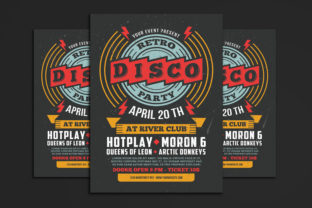
A Retro Disco Flyer is more than just a poster—it's a window into a bygone era. It draws inspiration from the bold colors, geometric patterns, and psychedelic aesthetics of the 1970s. These flyers were often used to promote dance parties, club events, and music shows, featuring dynamic layouts, high-contrast visuals, and typography that screams "attention, I'm here!"
Today, designers continue to use this style for various purposes, including themed events, vintage-inspired campaigns, and even as part of branding strategies for businesses that want to tap into nostalgia. The key to creating a successful Retro Disco Flyer lies in balancing authenticity with modern design principles to ensure it remains relevant and effective.
Technical Specifications for High-Quality Print Output
To ensure your Retro Disco Flyer looks its best when printed, it's essential to follow the correct technical specifications. Here's a breakdown of the key requirements:
- Psd Files CS 5 Compatibility: Adobe Photoshop CS 5 is a popular choice among designers due to its robust features and wide support for layered designs. Using a PSD file format allows for easy editing and customization, making it ideal for projects that may require frequent updates or revisions.
- Dimensions: 8.27x11.69 inches: This size is standard for many print formats, including brochures, posters, and flyers. It provides ample space for text, images, and graphics while maintaining a compact footprint suitable for distribution in various settings.
- Bleeds: Including bleeds in your design ensures that the printed edges extend beyond the trim area, preventing any unwanted white borders after cutting. This is especially important for professional-looking prints.
- Resolution: 300 dpi: A resolution of 300 dots per inch is the industry standard for print materials. It guarantees sharp, clear images and text, which is crucial for maintaining quality in both digital and physical formats.
- CMYK Color Mode: Using CMYK (Cyan, Magenta, Yellow, Key/Black) ensures that your colors will be accurately reproduced in print. Unlike RGB, which is used for screens, CMYK is designed for ink-based printing and offers more consistent results.
- Editable Fonts with Free Font Usage: Choosing fonts that are both editable and free of charge is essential for flexibility and cost-effectiveness. Many free font libraries offer a wide range of styles, from bold and funky to sleek and elegant, allowing you to match the retro vibe of your flyer.
- Easy Color Customization: A well-structured design should allow for quick and easy changes to color schemes. This is particularly useful if you need to adapt the flyer for different events or branding needs.
- Well-Organized Layers: A clean layer structure makes the design process more efficient and manageable. Each element—such as background, text, and graphics—should be on its own layer, making it easier to edit and adjust without affecting other parts of the design.
- Font Readme File: Including a readme file that lists the fonts used in your design helps future users understand the typography choices and ensures consistency across different versions of the flyer.
Designing Your Retro Disco Flyer: Tips and Best Practices
Creating a Retro Disco Flyer requires a blend of creativity and technical skill. Here are some tips to help you craft a visually appealing and functional design:
1. Start with a Strong Visual Concept
Your design should immediately capture attention. Use bold colors like neon pink, electric blue, and bright yellow to create a vibrant and energetic look. Incorporate geometric shapes, abstract patterns, and retro typography to reinforce the theme. Consider using a grid layout to organize content effectively and maintain visual balance.
2. Focus on Readability and Hierarchy
Even though the design is stylized, readability should never be compromised. Use contrasting colors for text and background to ensure legibility. Establish a clear hierarchy with larger, bolder fonts for headings and smaller, cleaner fonts for body text. Avoid cluttering the design with too much information; instead, prioritize key details such as event name, date, time, and location.
3. Choose the Right Fonts
Typography plays a significant role in the overall aesthetic of your flyer. Opt for fonts that reflect the retro feel, such as those with rounded edges, thick strokes, or decorative flourishes. Make sure all fonts are editable and available for free to avoid licensing issues. You can find a variety of retro-style fonts on platforms like Google Fonts, Font Squirrel, and Creative Market.
4. Add Visual Elements That Enhance the Theme
Incorporate elements that align with the disco era, such as record players, dancing figures, light bulbs, and abstract shapes. These can be created using vector tools or found in stock image libraries. Ensure that these elements are not overwhelming but rather complement the overall design and message of the flyer.
5. Test for Print Readiness
Before finalizing your design, test it for print readiness by checking the resolution, color mode, and bleed areas. Use a print preview tool or consult with a professional printer to ensure that your design will translate well to physical media. Pay special attention to how colors appear when printed and make adjustments if necessary.
Use Cases and Real-World Applications
The Retro Disco Flyer has a wide range of applications beyond just promoting events. Here are a few examples of how this design style can be utilized:
- Themed Events: From retro-themed birthday parties to vintage fashion shows, a Retro Disco Flyer can set the tone and atmosphere for the occasion.
- Marketing Campaigns: Businesses can use this style to launch new products or services with a nostalgic twist, appealing to customers who appreciate the past.
- Art Exhibitions: Art galleries and museums often use retro-inspired designs to create immersive experiences that transport visitors back in time.
- Community Projects: Local organizations and nonprofits can benefit from the visual impact of a Retro Disco Flyer to promote community events, fundraisers, and volunteer opportunities.
- Branding: Companies that value heritage and tradition can incorporate this design into their branding strategy to connect with their audience on a deeper level.
By leveraging the unique characteristics of the Retro Disco Flyer, you can create a powerful and memorable design that resonates with your target audience while maintaining a strong presence in the print world.