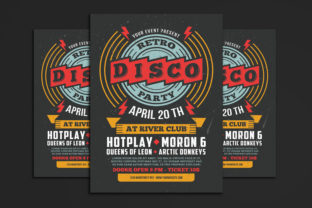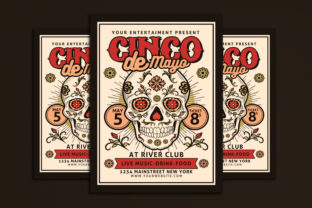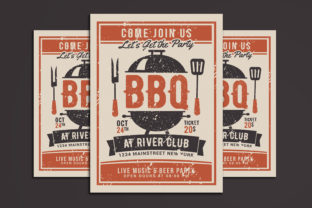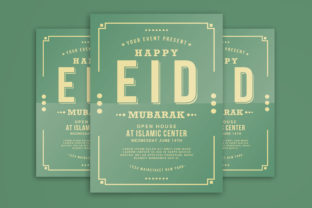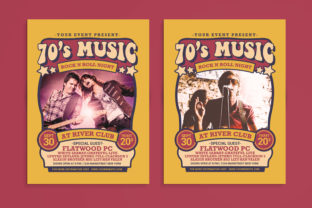
Creating a 70s Music Show Design: A Comprehensive Guide to PSD Files for Print
In the world of graphic design, creating a visually appealing and professionally formatted layout is essential for any print project. Whether you're designing a poster for a retro music show or a promotional material for a vintage-themed event, having access to high-quality design files can make all the difference. In this article, we’ll explore how to create a 70s music show design using PSD (Photoshop Document) files that are ready for print, including specifications such as size, resolution, color mode, and layer organization.
Understanding the 70s Music Show Theme
The 1970s were a vibrant era in music history, marked by a blend of rock, funk, soul, and progressive styles. This decade also saw the rise of iconic artists like Led Zeppelin, Pink Floyd, and The Rolling Stones, who helped shape the sound and culture of the time. When designing a 70s music show, it's important to capture the essence of this era through visual elements such as bold typography, psychedelic patterns, and retro color palettes.
Designing with a 70s theme means incorporating elements that reflect the aesthetics of the time. This includes using fonts that mimic the look of old posters, incorporating geometric shapes, and using colors like mustard yellow, deep red, and electric blue. These choices not only evoke nostalgia but also help create a cohesive and immersive experience for your audience.
Why Use PSD Files for Print?
PSD files are the native format of Adobe Photoshop and offer several advantages for print design. Unlike JPEG or PNG formats, which are compressed and may lose quality when edited, PSD files retain all the original layers, allowing for greater flexibility during the design process. This makes them ideal for projects where multiple revisions or adjustments are expected.
- Editable Layers: Each element of the design, from text to images, is on its own layer, making it easy to modify without affecting other parts of the layout.
- Non-Destructive Editing: You can adjust colors, brightness, or effects without permanently altering the original image.
- High-Quality Output: PSD files support high-resolution settings, ensuring that your design looks sharp and clear when printed.
Key Specifications for Your 70s Music Show Design
To ensure your design is both professional and functional, it's crucial to follow specific technical guidelines. Here are the key specifications for your 70s music show design:
Dimensions: 8.27 x 11.69 Inches
The dimensions of your design should be set to 8.27 inches by 11.69 inches, which is a standard size for large-format prints. This size is commonly used for posters, flyers, and event banners, making it ideal for a music show design.
Resolution: 300 DPI
Resolution refers to the number of pixels per inch (PPI) in an image. For print, a resolution of at least 300 DPI is recommended to ensure that your design appears crisp and clear. Lower resolutions may result in pixelation or blurry images when printed.
Color Mode: CMYK
When preparing designs for print, it's important to use the CMYK color mode instead of RGB. CMYK stands for Cyan, Magenta, Yellow, and Key (Black), and it is the standard color model used in offset printing. Using CMYK ensures that your colors will appear accurately when printed.
Bleeds: Included
Bleeds are the extra areas around the edges of your design that extend beyond the trim size. They are included in the file to ensure that your design doesn’t have any white borders after trimming. Including bleeds is essential for professional print jobs.
Editable Fonts and Text
Your design should include editable fonts and text, with all font usage clearly documented in a readme file. This allows for easy customization of text, such as changing the title or artist names, without needing to replace entire elements of the design.
Organizing Layers for Easy Editing
One of the most important aspects of working with PSD files is organizing your layers properly. A well-structured layer panel makes it easier to navigate and edit different elements of your design. Here are some tips for organizing your layers:
- Create Groups: Group related elements together, such as text, background, and graphics, to keep your workspace organized.
- Name Layers Clearly: Use descriptive names for each layer so you can easily identify what each one contains.
- Use Layer Masks: Apply layer masks to hide or reveal parts of an image without permanently deleting them.
- Keep Text on Separate Layers: Ensure that all text is on its own layer so you can easily edit or change it later.
Font Selection and Readme File
Using free, editable fonts is essential for ensuring that your design remains flexible and easy to customize. All fonts used in the design should be listed in a readme file, which provides information about their sources and licensing. This helps prevent issues with font compatibility and ensures that your design can be used across different platforms and devices.
Practical Applications of a 70s Music Show Design
A well-designed 70s music show poster can serve multiple purposes, both in terms of aesthetics and functionality. Here are some practical applications of such a design:
- Event Promotion: Use the design to promote a live music event, festival, or concert that celebrates the 70s music scene.
- Artistic Projects: Incorporate the design into larger artistic projects, such as zines, album covers, or digital art collections.
- Commercial Use: Businesses or brands can use the design for marketing campaigns that align with retro themes or vintage aesthetics.
- Personal Use: Individuals can use the design for personal projects, such as creating a custom poster for a home party or a themed event.
Common Misconceptions About PSD Files
There are several common misconceptions about using PSD files for print design. One of the most prevalent is that they are only suitable for advanced users. While it's true that working with layers and advanced features requires some knowledge, many design tools now offer user-friendly interfaces that make it easier for beginners to work with PSD files.
Another misconception is that PSD files are not suitable for web use. While PSD files are primarily designed for print, they can also be converted into web-friendly formats like JPEG or PNG. This allows for greater versatility in how your design is used across different platforms.
Conclusion: Embracing the 70s Aesthetic in Modern Design
Designing a 70s music show using PSD files offers a unique opportunity to blend retro aesthetics with modern design techniques. By following the right specifications, organizing your layers effectively, and using editable fonts, you can create a professional and visually striking design that is ready for print.
Whether you're a beginner or an experienced designer, understanding the importance of proper file formatting and organization is key to producing high-quality print materials. With the right tools and techniques, you can bring the spirit of the 70s to life through your design, creating a memorable experience for your audience.
So, if you're looking to create a 70s music show design that is both stylish and functional, consider using PSD files with the right specifications. Not only will your design look great, but it will also be easy to customize and adapt for various uses.