Understanding Job Fair Flyer Design: A Complete Guide for Professionals and Beginners
Job fairs are essential events that connect job seekers with potential employers. However, the success of these events often hinges on the quality of the promotional materials used. One of the most critical tools in this process is the Job Fair Flyer. This article will explore what a Job Fair Flyer is, its purpose, design specifications, and how to create one effectively.
What Is a Job Fair Flyer?
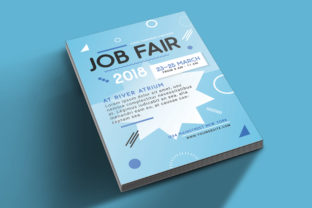
A Job Fair Flyer is a printed or digital document designed to inform people about an upcoming job fair. It typically includes details such as the event's date, time, location, featured companies, and registration information. The flyer serves as a visual representation of the event and plays a crucial role in attracting attendees.
The Purpose of a Job Fair Flyer
- Informing Attendees: The flyer provides all necessary information about the event in a clear and concise manner.
- Attracting Participants: An eye-catching design can generate interest and encourage attendance.
- Building Brand Awareness: Companies participating in the fair may use the flyer to promote their brand and services.
- Facilitating Organization: The flyer helps organizers manage logistics and communicate with participants efficiently.
Design Specifications for a Job Fair Flyer
Creating a professional and effective Job Fair Flyer requires attention to design specifications. Here are some key considerations:
Dimensions and Bleeds
The standard size for a Job Fair Flyer is 8.27 x 11.69 inches, which is ideal for both print and digital formats. To ensure that the design extends beyond the visible area, bleed is applied around the edges. Bleed allows for a seamless finish when the flyer is printed, preventing any white borders from appearing.
Resolution and Color Mode
For high-quality printing, the flyer should be created at 300 dpi (dots per inch). This resolution ensures that the image appears sharp and clear. Additionally, the design should be created in CMYK color mode rather than RGB, as CMYK is the standard for print production.
Editable Fonts and Text
Using editable fonts is essential for flexibility. All text elements should be in Font Free to allow easy customization without licensing issues. This makes it simple to update information, change colors, or adjust the layout as needed.
1. Plan the Content
Before designing the flyer, gather all necessary information. This includes the event name, date, time, location, featured companies, and any special instructions or deadlines. Organizing this data will help you structure the flyer effectively.
2. Choose a Layout
Select a layout that balances aesthetics and functionality. Consider using a grid system to align elements and ensure readability. Include sections for the event title, date and time, location, featured companies, and contact information.
3. Design with Visual Hierarchy
Visual hierarchy helps guide the viewer’s attention. Use larger fonts for headlines and smaller ones for body text. Incorporate contrasting colors to highlight important details like registration links or deadlines.
4. Add Graphics and Images
Incorporate relevant images or graphics to make the flyer visually engaging. These could include logos of participating companies, images related to the industry, or illustrations that reflect the event’s theme. Ensure that all images are high-resolution and properly sized.
5. Test the Design
Before finalizing the design, review it for clarity, readability, and visual appeal. Make sure that all text is legible and that the layout is balanced. You may also want to test the flyer on different devices or print samples to ensure consistency.
Why a Well-Organized Layer Structure Matters
A well-organized layer structure is crucial for efficient design and editing. Each element of the flyer—such as text, images, and shapes—should be placed on separate layers. This not only makes the design more manageable but also allows for easier adjustments later on. For instance, if you need to change the font or color of a specific section, having it on its own layer simplifies the process.
Using Readme Files for Font Information
To ensure that your design remains editable and consistent across different platforms, always include a readme file that lists all the fonts used. This file should provide details such as the font name, type, and any necessary licensing information. It also helps other designers understand the project and make modifications without confusion.
Common Misconceptions About Job Fair Flyers
There are several misconceptions about the role and importance of a Job Fair Flyer. One common belief is that a flyer is unnecessary for digital events. However, even virtual job fairs benefit from promotional materials, as they help build anticipation and provide attendees with all the necessary information in one place.
Another misconception is that a flyer must be highly complex to be effective. In reality, simplicity often leads to better results. A clean, well-structured flyer with clear information is more likely to engage viewers than an overly complicated design.
Conclusion: The Role of Job Fair Flyers in Modern Events
In today’s fast-paced world, effective communication is key to the success of any event. A well-designed Job Fair Flyer plays a vital role in ensuring that participants receive the information they need in a clear and engaging format. By following best practices in design, organization, and content creation, you can create a flyer that not only informs but also attracts and engages your target audience.
Whether you're organizing a local job fair or a large-scale event, investing time in creating a professional and informative flyer will pay off in increased attendance and better outcomes. With the right tools, knowledge, and approach, anyone can create a compelling Job Fair Flyer that meets the needs of modern audiences.