Indie Music Flyer: A Powerful Tool for Creative Expression
Indie Music Flyer is more than just a design template—it’s a versatile tool that empowers creators, marketers, and small business owners to communicate their music vision effectively. Whether you're promoting an upcoming album, launching a new artist, or building your brand, the right flyer can make all the difference. However, without proper understanding and execution, even the best design tools can fall short. This article explores key considerations when working with Indie Music Flyer, helping you avoid common pitfalls and achieve better results.
Understanding What Indie Music Flyer Offers
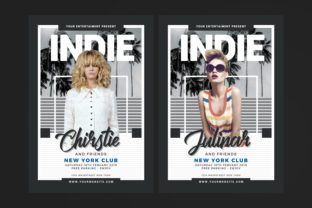
Indie Music Flyer is designed with the independent musician in mind. It offers a clean layout, customizable elements, and a professional finish suitable for print and digital use. The template comes with a range of features that make it easy to adapt to different needs—whether you're creating a single poster, a series of flyers, or promotional materials for a live event.
One of the standout aspects of this template is its flexibility. With editable fonts and text, you can personalize the design to match your brand or message. The inclusion of a readable file also means you can easily access and modify the font used, ensuring consistency across all your materials.
Common Mistakes When Using Indie Music Flyer
While Indie Music Flyer is a great resource, many users overlook important details that can impact the final outcome. Here are some common mistakes to watch out for:
- Ignoring Print Specifications: Many users download the template without checking the print-ready settings. Indie Music Flyer requires specific dimensions (8.27x11.69 inches), resolution (300 dpi), and color mode (CMYK). Failing to meet these standards can lead to poor print quality or misalignment.
- Overlooking Bleed Areas: The template includes bleed areas to ensure the design extends to the edge of the printed piece. If not properly adjusted, your design may appear cut off or incomplete when printed.
- Using Non-Free Fonts: While the template allows for editable text, it's crucial to ensure that any fonts used are free and open-source. Using proprietary fonts can cause issues when exporting or sharing the design.
- Not Organizing Layers Properly: A well-organized layer structure makes it easier to edit and manage your design. Disordered layers can lead to confusion and inefficiency during the editing process.
- Overloading the Design: Adding too many elements can make the flyer cluttered and hard to read. Keep your message clear and concise by focusing on key information such as event details, artist name, and contact information.
Why These Mistakes Matter
Making these mistakes can have real consequences. Poor print quality can damage your reputation as a creator or marketer. A cluttered design may confuse your audience or fail to convey your message effectively. Inconsistent branding can also weaken your overall presence in the market.
For example, if you neglect the bleed area, your flyer might end up with white edges, which can look unprofessional. Similarly, using non-free fonts can lead to licensing issues, especially if you plan to distribute the design to others or use it in public spaces.
How to Avoid These Mistakes
By following a few simple steps, you can ensure that your Indie Music Flyer is both effective and professional:
- Review the Specifications: Before starting your design, make sure you understand the required dimensions, resolution, color mode, and bleed areas. This will help you create a print-ready document from the beginning.
- Organize Your Layers: Use the layer panel to group elements like text, images, and background. This makes it easier to navigate and edit your design later.
- Use Free and Editable Fonts: Stick to free fonts that are compatible with the template. This ensures that your design remains flexible and can be shared or modified without restrictions.
- Keep It Simple: Focus on clarity and readability. Use bold headings, ample white space, and high-quality images to enhance the visual appeal of your flyer.
- Test Before Printing: Always preview your design at 100% scale to check for any alignment issues or formatting errors. This helps catch problems before they become costly mistakes.
What to Check Before Finalizing Your Design
Before printing or sharing your Indie Music Flyer, take a moment to review the following:
- Text Readability: Ensure that all text is legible and large enough to be seen from a distance.
- Color Accuracy: Verify that the colors match your brand or message. Use CMYK mode for print to ensure accurate color reproduction.
- Image Quality: Make sure all images are high-resolution and relevant to your design. Low-quality images can detract from the overall professionalism of your flyer.
- File Format: Save your design in the correct format, typically PDF or high-resolution JPEG, to ensure compatibility with printing services.
- Proofreading: Double-check for spelling errors, grammatical mistakes, and formatting inconsistencies.
Conclusion
Indie Music Flyer is a powerful tool that can help you create compelling and professional promotional materials. By avoiding common mistakes and following best practices, you can maximize the effectiveness of your design and ensure a positive experience for your audience. Whether you're an experienced designer or a beginner, taking the time to understand the requirements and features of the template will save you time, effort, and potential headaches down the line.